
Emotional intelligence (EQ) is the ability to recognize, understand, and manage our own emotions, as well as the emotions of others. It involves skills such as self-awareness, self-regulation, motivation, empathy, and social skills. Understanding the basics of emotional intelligence is essential for personal and professional success as it helps improve communication, relationships, and decision-making.
Key Takeaways
- Emotional intelligence (EQ) encompasses self-awareness, self-regulation, motivation, empathy, and social skills, playing a crucial role in effective communication and interpersonal relationships.
- Developing EQ requires ongoing practice, including techniques such as active listening, journaling for self-reflection, and mindfulness for stress management.
- High emotional intelligence contributes to improved leadership effectiveness, resilience, and enhanced workplace dynamics, ultimately leading to personal and professional success.
Understanding Emotional Intelligence
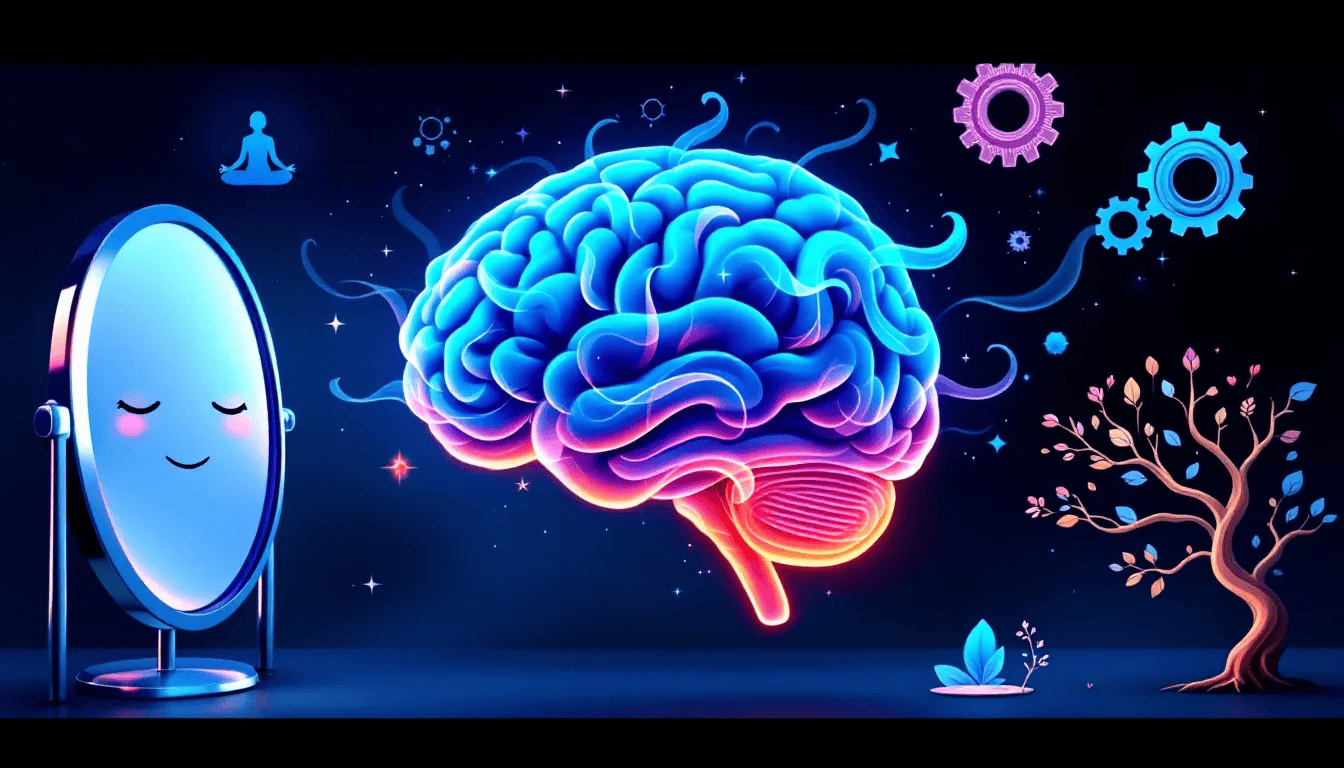
Emotional intelligence, also known as EQ, encompasses the capacity to recognize and regulate one’s emotions. It includes grasping and shaping the emotional responses of others. This ability plays a pivotal role in steering through social intricacies, bolstering interpersonal relationships, and making well-grounded choices. Defining emotional intelligence entails acknowledging that an emotionally intelligent individual can pinpoint the emotions affecting both their actions and those around them, which facilitates constructive communication and deeper bonds. Enhancing our proficiency in emotional intelligence equips us with sharper insights into our own behaviors as well as those we interact with—this is vital for personal evolution along with career advancement.
Grasping one’s own emotions enhances dialogue while nurturing more resilient connections. Individuals possessing high levels of emotional intelligence are adept at deciphering feelings correctly. This skill paves the way for more empathic interactions that resonate on a deeper level.
Armed with an advanced degree of emotional awareness comes superior skills in managing one’s moods effectively—which renders people not only flexible but also robust when faced by diverse circumstances. The competency to identify your affective condition—and modulate it accordingly—is a potent attribute instrumental in achieving a harmonious balance within various aspects of life.
Key Components of Emotional Intelligence

Five key components form the basis of emotional intelligence.
- The skill of self-awareness.
- The ability to regulate oneself, known as self-regulation.
- The drive that motivates us.
- Empathy towards others.
- Competence in social skills.
Concentrating on these aspects bolsters our proficiency in discerning and handling emotions adeptly, which consequently improves our dealings with others and fortifies our relationships.
The subsequent subsections will delve deeply into each part to elaborate on their critical contributions to cultivating a comprehensive set of emotional intelligence abilities.
Self-Awareness
Recognizing and understanding one’s own emotions is fundamental to emotional intelligence. This self-recognition empowers individuals to pinpoint their areas of emotional strength and vulnerability, fostering improved control over responses in diverse scenarios. Employing methods such as journal writing can sharpen self-awareness by revealing patterns in emotion-driven behavior, offering profound revelations about one’s inner emotional workings.
By engaging in mindfulness exercises that emphasize staying anchored in the present moment, a person can significantly diminish stress levels and heighten their awareness of emotions. These strategies contribute to more considered and intentional reactions when faced with emotionally charged situations. As they refine their ability to manage personal emotions through increased self-awareness, those with high emotional intelligence are better equipped for forming healthier interpersonal relationships and supporting their overall mental well-being.
Self-Regulation
Self-regulation entails the control and suitable demonstration of one’s emotions, focusing on constructive responses to difficult circumstances instead of impulsive reactions. By effectively self-regulating, a person can retain emotional composure during stressful times, which allows for smoother conflict resolution and improved handling of pressure-filled situations. Individuals adept in self-regulation tend to be considerate and accountable for their behavior, leading to enhanced decision-making abilities and better social interactions.
The ability to manage stress is a critical element of self-regulation. Remaining emotionally engaged while applying techniques designed for managing stress assists individuals in preserving an emotional equilibrium even when facing challenging conditions. This capacity for self-control not only promotes individual health, but also bolsters efficiency at work and strengthens relationships.
Motivation

Within the framework of emotional intelligence, motivation signifies a compelling desire to chase after personal ambitions with vigor and steadfastness. The crucial element in this scenario is intrinsic motivation, which spurs individuals on to relentlessly seek enhancement and establish significant goals that are instrumental in their prosperity. Individuals who exhibit high emotional intelligence tend to be inspired by an internal sense of gratification instead of external incentives, resulting in accomplishments that are more rewarding and enduring.
This internal drive increases resilience as well as problem-solving abilities, equipping individuals with the capability to overcome hurdles and realize their aims efficiently. Emotionally intelligent people leverage an understanding of what motivates them internally, allowing them to confront life’s trials with increased adaptability and intent.
Being an effective communicator is crucial for enhancing emotional intelligence and building strong interpersonal relationships.
Empathy
Empathy encompasses the capacity to comprehend and resonate with other people’s emotions, playing an integral role in emotional intelligence. It enhances collaboration, insightfulness, and strengthens interpersonal relationships by allowing individuals to identify with and respond aptly to others’ feelings. Those who possess empathy are adept at discerning power dynamics and gauging the emotional effects within their interactions with others.
Active listening is a fundamental element of empathetic engagement. By fully concentrating on what the speaker is conveying and grasping their viewpoint without distraction, we amplify our own emotional intelligence while fostering more profound bonds. This approach not only allows individuals to feel validated, but also elevates our awareness of emotions, which contributes significantly to enriched communication skills and relationship development.
Social Skills
The capabilities that allow people to engage successfully with others are known as social skills. These encompass the ability to listen actively, communicate efficiently, and influence others persuasively, which are crucial for maneuvering through complex social situations and developing connections. In a professional setting, possessing robust social skills is instrumental in facilitating effective problem-solving processes, managing stress levels, and maintaining harmonious relationships among colleagues.
Being attuned to nonverbal cues and having an awareness of the social dynamics at play can significantly improve one’s ability to manage conflicts effectively. The capacity to detect and interpret these nuanced indicators plays a vital role in handling relationships more adeptly while fostering stronger bonds. Through active listening — showing individuals that their feelings matter — deeper rapport is established within teams or groups thus promoting a nurturing cooperative atmosphere.
How to Develop Emotional Intelligence Skills

Developing emotional intelligence is a lifelong journey that can be undertaken at any stage of life. Working on the five key areas—self-awareness, self-regulation, motivation, empathy, and social skills—enhances emotional intelligence and improves interactions.
Regular practice and reflection are crucial for this development, as they help in identifying and naming both your own emotions, which is the first step in managing them effectively.
Practice Active Listening
Fully concentrating on the person speaking is an essential element of emotional intelligence known as active listening. It fosters a greater sense of understanding and connection by ensuring that others feel listened to, thereby bolstering our communicative interactions and bonds with them. Active listening can be practiced through methods such as sustaining eye contact, providing affirming nods, and echoing the speaker’s words to confirm clear understanding.
In essence, active listening plays a vital role in achieving clarity and fostering connections with individuals around us. This potent skill greatly improves our capacity to engage in meaningful communication and forge relationships characterized by stronger empathy and deeper comprehension.
Writing (Automatic) for Self-Reflection
Maintaining a journal for self-reflection significantly bolsters one’s self-awareness and comprehension abilities. By recording their sentiments and beliefs, people can detect recurring tendencies within their emotional dispositions and pinpoint particular catalysts that influence how they react emotionally. Chronicling daily exchanges aids in the crystallization of emotion processing, which paves the way to heightened emotional intelligence.
Engaging in thoughtful journaling permits individuals to gain a deeper grasp of what prompts their emotions, allowing them to steer their responses with more finesse. This habit provides them with enhanced discernment and mastery over their own emotional terrain, thereby fostering personal development and contributing positively to mental health.
Automatic writing, or free writing, is a technique where individuals write continuously without premeditation or concern for grammar and structure. This practice is a valuable tool in developing emotional intelligence as it allows individuals to tap into their subconscious thoughts and emotions. By engaging in automatic writing, one can uncover underlying emotions and patterns that might not be immediately apparent, thereby gaining a better understanding of both your own emotions and emotional responses.
Incorporating automatic writing into your routine can enhance self-awareness by providing a clearer insight into your emotional state and habitual reactions. This method encourages self-reflection and emotional exploration, which are crucial skills for improving emotional intelligence. Over time, this practice can lead to more effective self-regulation and emotional awareness, ultimately fostering stronger interpersonal relationships and better stress management.
By regularly engaging in automatic writing, individuals can cultivate a deeper connection with their emotions, leading to improved emotional intelligence skills and a more profound understanding of their emotional landscape.
Mindfulness and Stress Management

Mindfulness involves purposefully focusing attention on the present moment without judgment. This practice is essential for managing stress and improving emotional awareness. Learning to manage stress helps individuals maintain clarity in thinking and assess their emotions more accurately.
Using resources like the Emotional Intelligence Toolkit can further develop emotional awareness and help in managing emotions more effectively. Mindfulness techniques not only enhance emotional intelligence, but also contribute to better mental health and overall well-being.
Measuring Your Emotional Quotient (EQ)
Assessing your emotional quotient (EQ) is crucial to gauge the extent of your emotional intelligence. The Emotional Quotient Inventory (EQ-i), with its 133 items, and the Mayer-Salovey-Caruso Emotional Intelligence Test (MSCEIT), consisting of 141 scenario-based inquiries, are both established benchmarks for measuring one’s emotional capabilities.
The Emotional Capital Report (ECR) stands out as a thorough assessment tool for identifying an individual’s reservoir of emotional intelligence resources. Utilizing these tests can shed light on personal areas where one excels emotionally or might require Growth, enabling focused personal development efforts. By undergoing subsequent evaluations over time, it’s possible to observe and measure improvement in managing emotions.
The Role of Emotional Intelligence in Leadership

Leaders who excel in their roles often possess a notable degree of emotional intelligence and people skills, which includes the skill to harmonize self-awareness with empathy and thereby cultivate a constructive work environment. Those leaders with an advanced level of EQ are adept at navigating challenging scenarios and constructing robust connections within their teams. By fostering trust and rapport, an emotionally intelligent leader can strengthen team interactions and elevate collective performance.
Emotionally intelligent leadership is about nurturing the best attributes in others while promoting individual growth. Leaders with such abilities engage in superior communication practices that bolster cooperation and group effort. The capacity for empathy also fortifies bonds among colleagues, instilling trust which is vital for impactful guidance. Emotional intelligence plays a significant role not only in strengthening resilience but also in improving decision-making capabilities alongside conflict management skills—all indispensable components of proficient leadership.
A heightened sense of emotional intelligence brings about greater resilience. This allows individuals to recover quickly from difficulties. This tenacity—when paired with refined stress management techniques as well as effective solutions for resolving disputes—markedly augments both how one leads and the overall health of workplace relations. Emotionally aware leaders foster environments where team members feel appreciated and supported, translating into increased productivity levels along with enhanced job contentment.
Benefits of High Emotional Intelligence

Emotional intelligence plays a pivotal role in bolstering relationships and fortifying connections, paving the way for enhanced communication efficiency. It aids in establishing a robust social support structure that is essential for both personal and professional prosperity. Those possessing high emotional intelligence are adept at handling emotional difficulties positively, which serves to boost their mental health and enriches their life experiences.
Within the scope of the workplace, emotional intelligence stands as a key determinant of leadership prowess and organizational triumph. Its influence extends to more sound decision-making processes and superior academic accomplishments, culminating in heightened overall success.
Cultivating elevated levels of emotional intelligence equips individuals with improved abilities to deal with the intricacies of life effortlessly while fulfilling their aspirations with increased proficiency.
Common Myths About Emotional Intelligence
There is a frequent misunderstanding that having emotional intelligence equates to being excessively sentimental. It actually pertains to the comprehension and management of emotions to aid in making well-informed choices. Contrary to the prevalent belief that emotional intelligence is an inherent and static trait, it can indeed be honed through conscious effort and practice.
Some might presume individuals with high levels of emotional intelligence are invariably congenial. Such individuals possess the capacity to stand firm on their opinions while still respecting others’ feelings. It’s often erroneously assumed that possessing emotional intelligence means maintaining a perpetually optimistic disposition, when in fact it entails acknowledging and confronting all kinds of emotions, even those deemed negative.
The fallacy persists that only women typically exhibit emotional intelligence whereas this quality does not discriminate by gender—it is universally present amongst all humans. Clarifying these misconceptions allows us a more accurate insight into what true emotional intelligence embodies.
Summary
To sum up, the crucial skill of emotional intelligence greatly augments both personal and professional bonds, bolsters communication, and aids in one’s complete well-being. Concentrating on cultivating key components such as self-awareness, self-regulation, motivation, empathy, and social skills can substantially enhance an individual’s EQ. Possessing a heightened level of emotional intelligence paves the way for improved decision-making abilities, increased resilience in the face of adversity, and more effective leadership capabilities. Delving deeper into understanding and nurturing our emotional intelligence opens doors to leading a life that is not only more satisfying but also better balanced.
Frequently Asked Questions

What is emotional intelligence?
Emotional intelligence is the capacity to understand and regulate your own emotions while also recognizing and influencing the emotions of others.
This skill is vital for effective communication and relationship-building.
Can emotional intelligence be developed?
Emotional intelligence can indeed be developed by enhancing self-awareness, self-regulation, motivation, empathy, and social skills through consistent practice and focused efforts.
This growth is achievable for anyone willing to invest time and energy.
Why is emotional intelligence important in leadership?
Leadership greatly benefits from emotional intelligence as it equips leaders with the ability to adeptly handle difficult circumstances, build trustworthiness and foster robust relationships within a team.
This in turn significantly boosts the performance of the team and leads to greater success within an organization.
How can I measure my emotional quotient (EQ)?
To evaluate your emotional quotient (EQ), you might want to engage with recognized evaluation tools like the Emotional Quotient Inventory (EQ-i), Mayer-Salovey-Caruso Emotional Intelligence Test (MSCEIT), or the Emotional Capital Report (ECR).
Employing these assessments can offer critical understanding of your level of emotional intelligence.
What are some common myths about emotional intelligence?
There is a common falsehood that emotional intelligence means being excessively emotional, and another misunderstanding suggests that it is an inherent trait that one cannot enhance.
There’s a mistaken belief which asserts emotional intelligence requires one to maintain an uninterrupted optimistic demeanor. This isn’t true.
What is an Emotionally Integiilgent Person?
An emotionally intelligent person is someone who possesses the ability to understand and manage both their own emotions and the emotions of others. Such individuals are self-aware, meaning they recognize their emotional strengths and weaknesses, and can regulate their responses to various situations effectively. They demonstrate empathy by understanding and resonating with other people’s emotions, which fosters strong interpersonal relationships. Additionally, emotionally intelligent people are skilled in social interactions, capable of communicating effectively, managing conflicts, and building meaningful connections. Their intrinsic motivation drives them to achieve success, while their adeptness at stress management allows them to maintain emotional balance in challenging circumstances. These qualities make them effective leaders and communicators, contributing positively to both their personal and professional lives.
